
Dec 15–23
Bibingka and puto bumbong after Simbang Gabi in the Skylands
Bibingka and puto bumbong after each of the nine Masses before Christmas. 2 dishes from 1 tradition.
We’re checking this season’s local makers now.
Email me when it opensSimbang Gabi is the Filipino novena of Masses before Christmas, held each day from December 16 to 24, or as evening Masses from December 15 to 23. In 2026 the evening Masses begin Tuesday, December 15. Afterward come two rice cakes, bibingka and puto bumbong, with salabat, ginger tea, or tsokolate, hot chocolate.
The practice began in 1669 under Spanish rule, when priests moved the Masses before dawn so farmers could attend and still get to their fields. In the Philippines food vendors line the streets after Mass, so people can eat together before work.
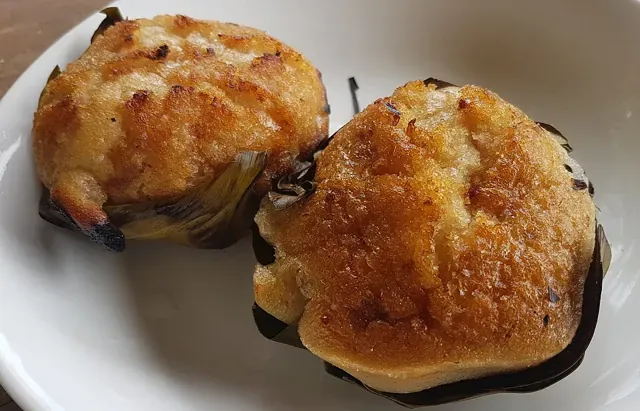
Bibingka is a baked rice cake of galapong, glutinous rice ground and mixed with water or coconut milk. It bakes in a terra cotta bowl lined with banana leaves, with coals below and on a metal sheet above, and comes topped with salted duck egg, cheese such as kesong puti, made from carabao milk, butter, sugar and grated coconut.
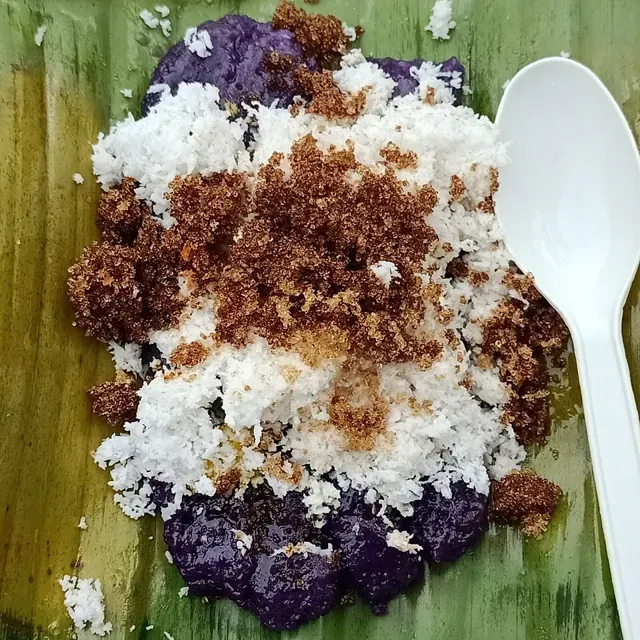
Puto bumbong is made from pirurutong, an heirloom glutinous rice that runs from deep purple to near black, mixed with white glutinous rice and soaked overnight in salted water, which gives it a slightly fermented, tart taste. It is packed into bamboo tubes and steamed, then served on banana leaves with butter or margarine, muscovado sugar and grated coconut. Some modern versions use ube or food coloring instead, which some consider less authentic.
In the Archdiocese of Newark most Simbang Gabi Masses are held after work, at 8 p.m.; for the 2023 season it listed 11, opening December 15 at St. Elizabeth in Linden. One priest told Jersey Catholic that even in the United States, no Filipino liturgical celebration is complete without a reception. He named rice cakes, puto bumbong and ginger tea as the ideal, and sandwiches, sweet bread and maybe pancit when those aren’t on hand. In some parish halls elsewhere in the country, roast pig and Filipino party dishes follow the Mass.
Filipino
2 dishes


Questions people ask
What is Simbang Gabi?
Simbang Gabi is the Filipino novena of Masses before Christmas, held each day from December 16 to 24, or as evening Masses from December 15 to 23. It began in the 1600s under Spanish rule, when the Masses were held before dawn so farmers could attend and still reach their fields. In 2026 the evening Masses begin Tuesday, December 15.
What do you eat after Simbang Gabi?
After Simbang Gabi, Filipinos eat two rice cakes, bibingka and puto bumbong, with salabat, ginger tea, or tsokolate, hot chocolate. In the Philippines vendors line the streets after Mass. In U.S. parishes, including New Jersey's, a reception usually follows, with sandwiches, sweet bread or pancit when rice cakes aren't on hand.
What is puto bumbong?
Puto bumbong is a purple Filipino rice cake steamed in bamboo tubes and served on banana leaves with butter, muscovado sugar and grated coconut. It is made from pirurutong, an heirloom glutinous rice that runs from deep purple to near black, soaked overnight in salted water, which gives it a slightly tart, fermented taste.
What is bibingka?
Bibingka is a Filipino rice cake made from galapong, a batter of soaked and ground glutinous rice. It bakes in a clay bowl lined with banana leaves, with coals below and above, and is topped with salted duck egg, kesong puti cheese, butter, sugar and grated coconut.
What is a Filipino lechon?
Filipino lechon is a whole roast pig, the centerpiece of the Noche Buena feast on Christmas Eve. Unlike the Spanish version, which uses suckling pigs, it is usually made from a weaned pig and stuffed with native ingredients such as lemongrass and tamarind leaves. In the Philippines, lechon means any roasted pig; a suckling pig is lechon de leche.
Know who makes one of these? Tell us, and we’ll check it and add it, with credit. Photo credits.