
Dec 13
Saffron buns and St. Lucia foods in the Skylands
Lussekatter, ginger cookies and glögg for St. Lucia. 3 dishes from 2 traditions.
We’re checking this season’s local makers now.
Email me when it opensSt. Lucia Day, December 13, falls on a Sunday in 2026. In Sweden the Lucia brings a tray of coffee, lit candles and lussekatter, saffron buns, and the day also calls for pepparkakor, ginger cookies, and glögg, spiced hot wine.
Scandinavia kept the old Julian calendar until the mid-18th century, and under it December 13 was the longest night of the year. The night before, Lussinatta, was kept as a vigil in Sweden.
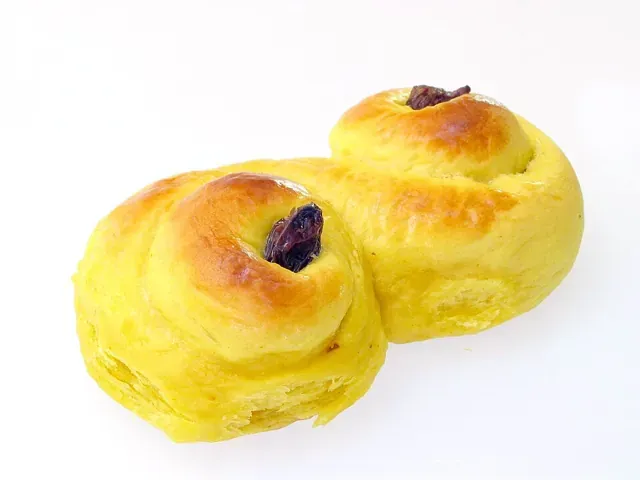
Lussekatter are yeast buns colored yellow with saffron and set with raisins, without the cinnamon or nutmeg of other saffron breads. The commonest shape, the julgalt, is an S with each end rolled up and a raisin in each curl; two S shapes crossed or side by side make a julvagn or julkors. Saffron came into the recipe in the late 1800s, and the name lussekatt was first printed in a Gothenburg newspaper in 1898. A German legend has the devil, as a cat, beating children while the Christ child hands out buns to good ones, with saffron to keep the devil away. The Nordiska museet thinks the old Swedish names dyvelskatter and djävulskatter probably come from the Dutch and north German duivekater bread, and have little to do with cats or devils.
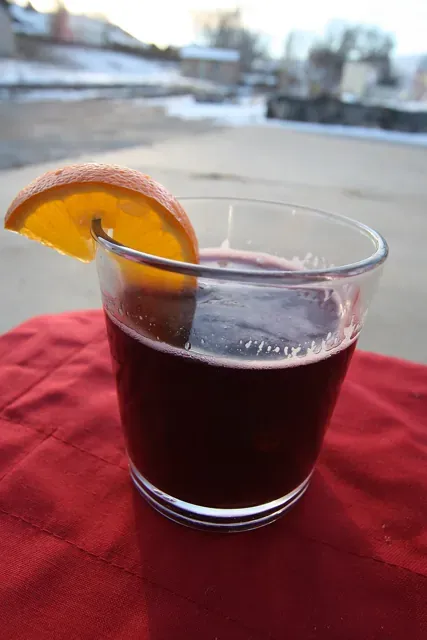
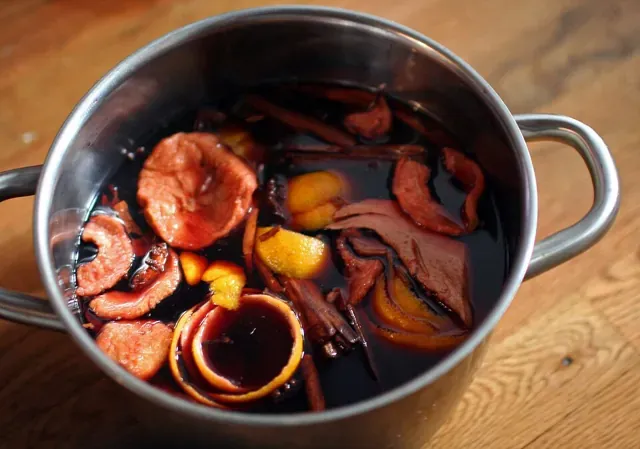
Glögg is wine heated with cloves, cinnamon, cardamom and ginger, often with citrus peel, with whole almonds and raisins dropped in; it can be made without alcohol from fruit or berry juice. Since the 20th century it has been served with gingerbread and saffron buns. In Sicily, St. Lucy’s Day calls for whole grains instead: cuccìa, boiled wheat berries often mixed with ricotta and honey, recalls a famine said to have ended on her feast when grain ships reached the harbor.
German, Austrian, Swiss
1 dish

Scandinavian
2 dishes


Questions people ask
What are St. Lucia buns?
St. Lucia buns, lussekatter in Swedish, are yeast buns colored yellow with saffron and set with raisins. The commonest shape is an S with each end rolled into a curl and a raisin in each. They are eaten through Advent and especially on St. Lucia Day, December 13, which falls on a Sunday in 2026.
What does "lussekatter" mean?
Lussekatter means Lucia's cats, and the raisins in the S-shaped buns are said to be the cat's eyes. The Nordiska museet thinks the older names, dyvelskatter and djävulskatter, probably come from a Dutch and north German bread called duivekater and have little to do with cats or devils. The name lussekatt was first printed in a Gothenburg newspaper in 1898.
What is the origin and significance of St. Lucia buns?
St. Lucia buns come from Sweden, where the Lucia brings a tray of coffee, lit candles and saffron buns on December 13. Under the old Julian calendar that date was the longest night of the year, kept as a vigil. Saffron came into the recipe only in the late 1800s.
What do Swedes eat and drink on St. Lucia Day?
Swedes eat lussekatter, saffron buns, and pepparkakor, ginger cookies, on St. Lucia Day, with coffee or glögg. Glögg is wine heated with cloves, cinnamon, cardamom and ginger, with almonds and raisins dropped in, and it can be made without alcohol from fruit or berry juice.
What do Sicilians eat on St. Lucy's Day?
Sicilians eat cuccìa on St. Lucy's Day, boiled wheat berries often mixed with ricotta and honey. It recalls a famine said to have ended on her feast when grain ships reached the harbor.
Know who makes one of these? Tell us, and we’ll check it and add it, with credit. Photo credits.